Cellbiology
Explore our research infrastructure across seven facility categories, with photographs and instrument information.
Browse by facility category. Select a photograph for a closer look or expand the technical overview.
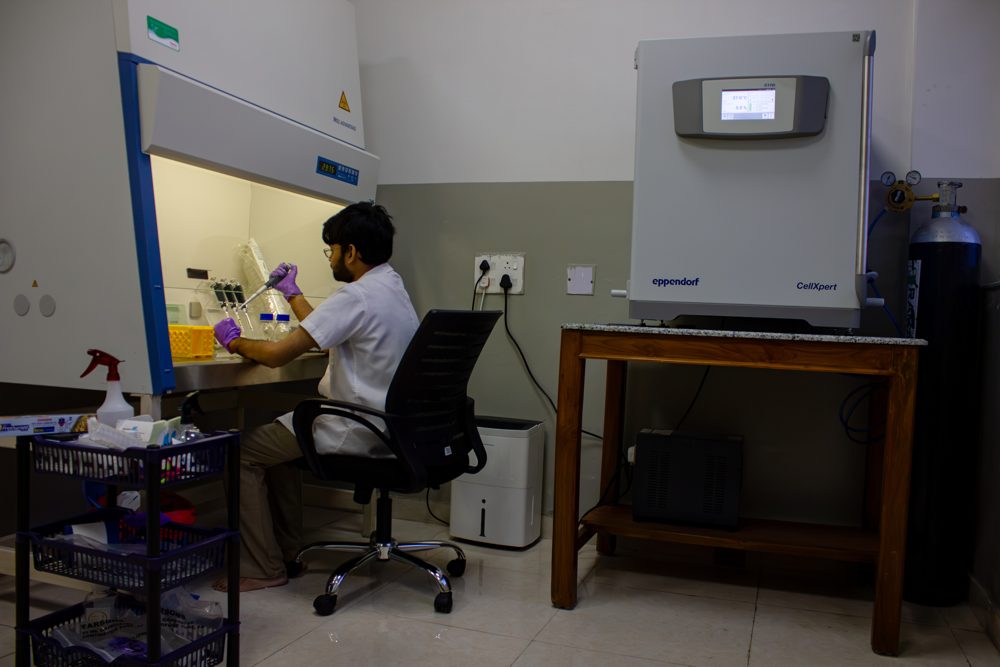
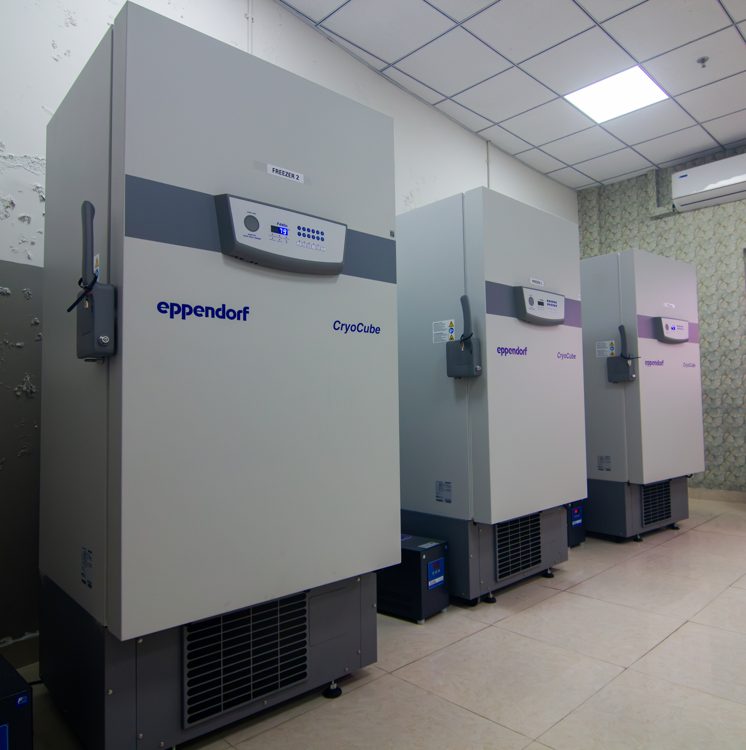
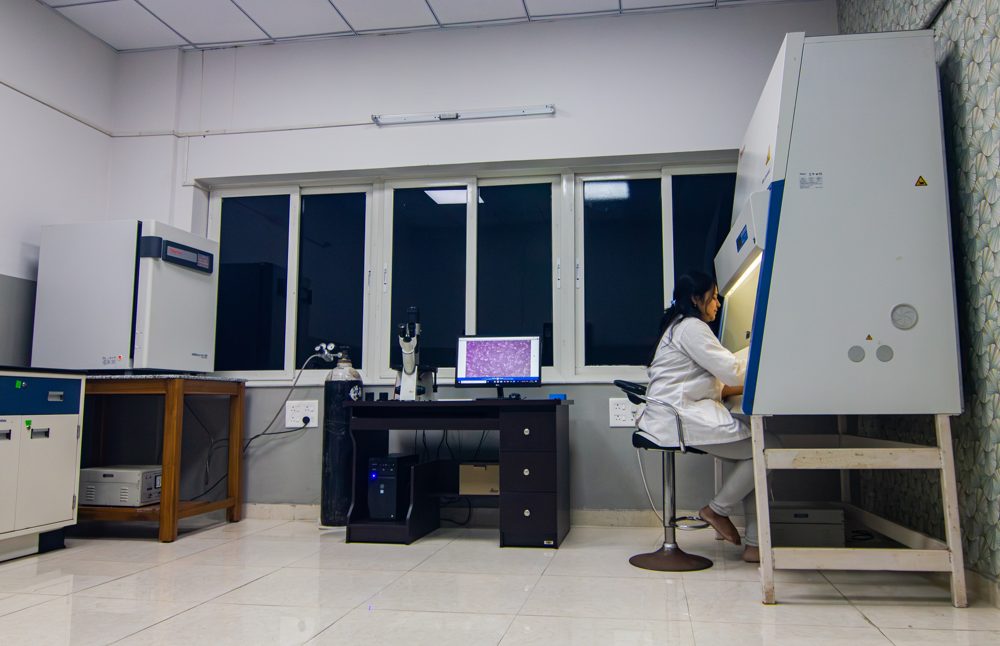
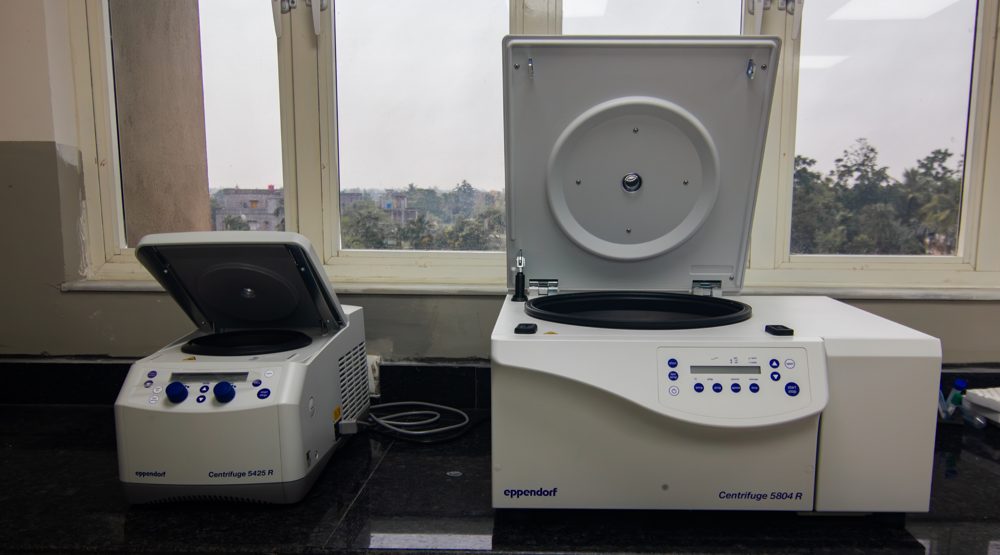
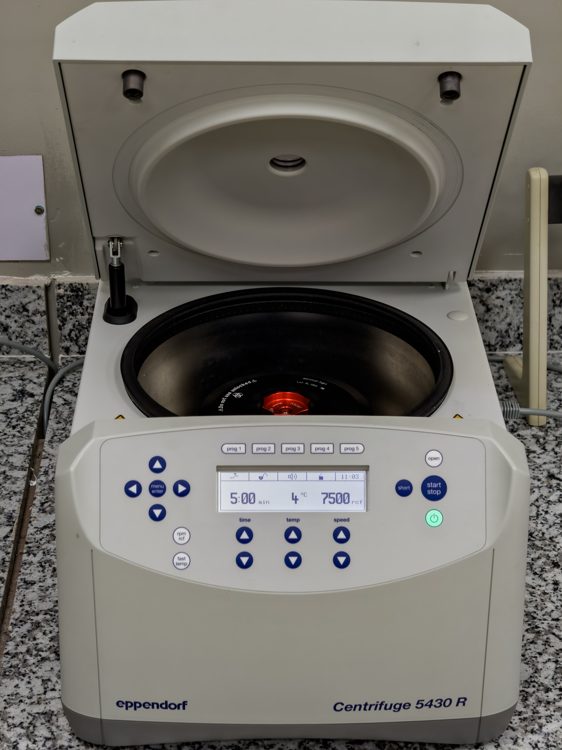
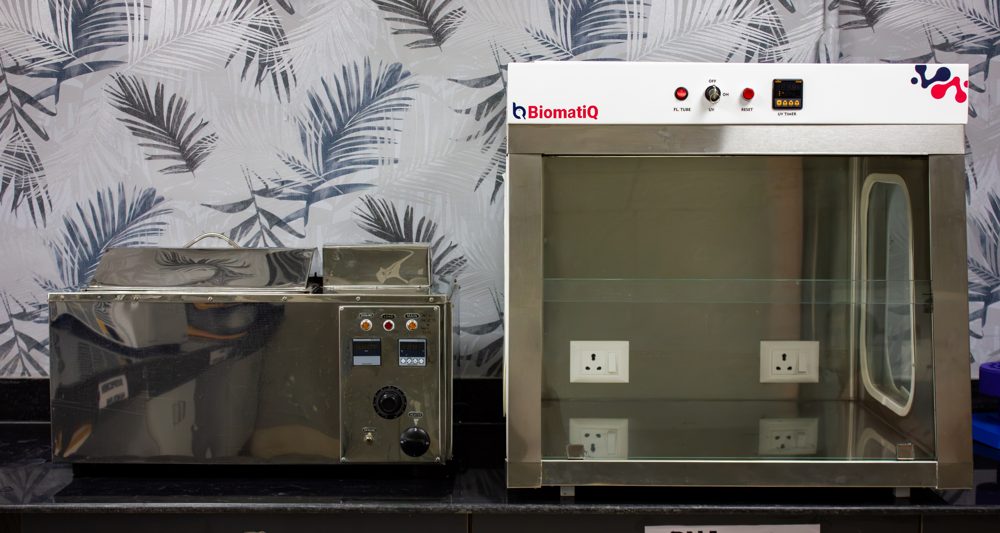
We have three restricted-entry sterile cell culture facilities with all necessary equipment and gadgets needed for the primary culture of human tissues and maintenance of human cell lines, which includes bio-safety cabinets, CO2 incubators, circulating water bath, microscopes (inverted and regular) with documentation system, freezers, high-speed refrigerated centrifuges.
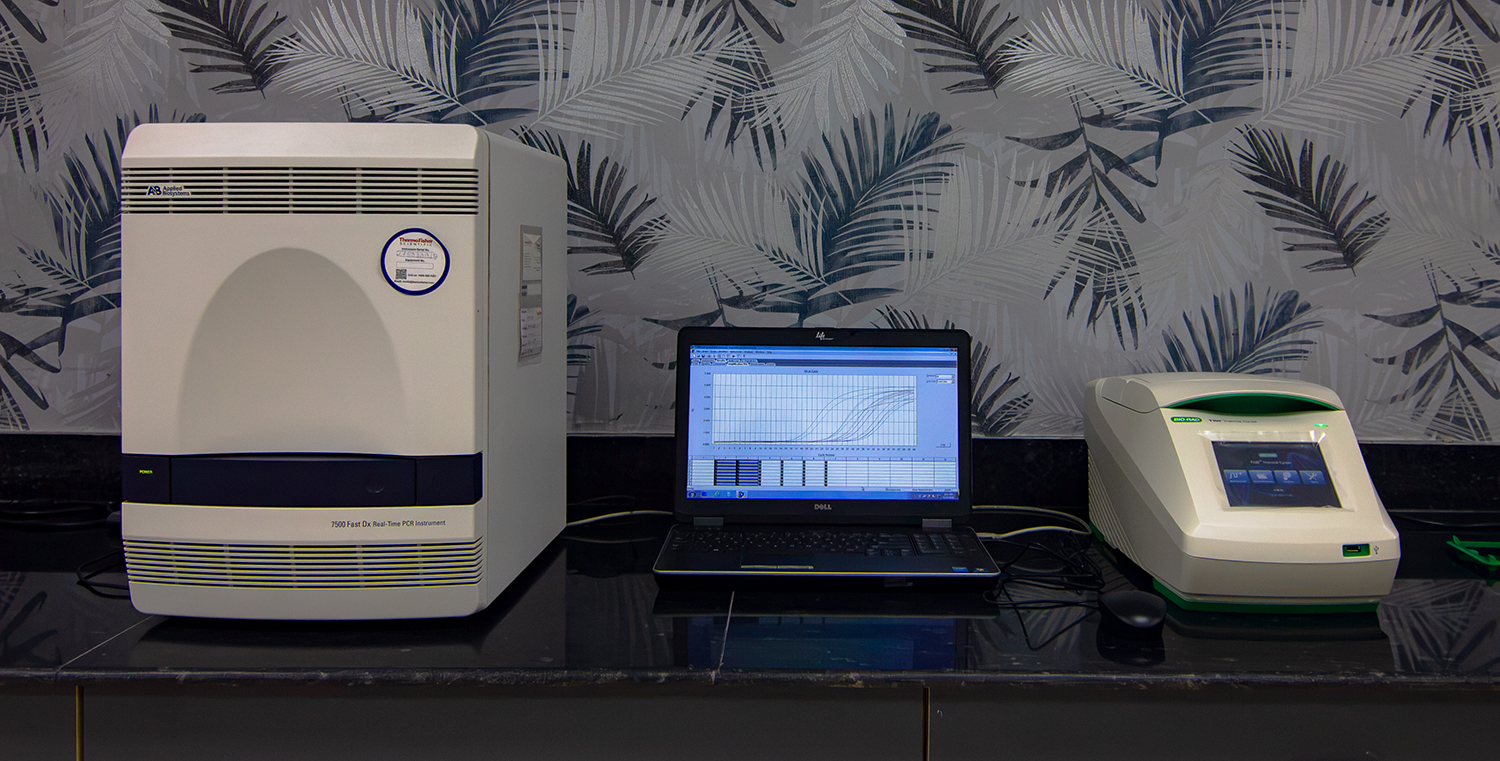
The Applied Biosystems 7500 Fast Dx Real-Time PCR System is a real-time PCR platform designed for sensitive nucleic acid detection and quantification using fluorescence-based monitoring. Its key advantages include rapid thermal cycling, five-colour multiplex detection, high sensitivity, and reliable amplification analysis. It features a 96-well format, a Peltier-based thermal cycling system, and Sequence Detection System (SDS) software.
The Bio-Rad T100 Thermal Cycler is a compact PCR instrument designed for DNA amplification through precise temperature-controlled cycling. Its key advantages include reliable temperature accuracy, a user-friendly touchscreen interface, programmable protocols, and reproducible amplification. It features a 96-well block compatible with 0.2 mL PCR tubes and PCR plates, with a temperature range of approximately 4–100°C.
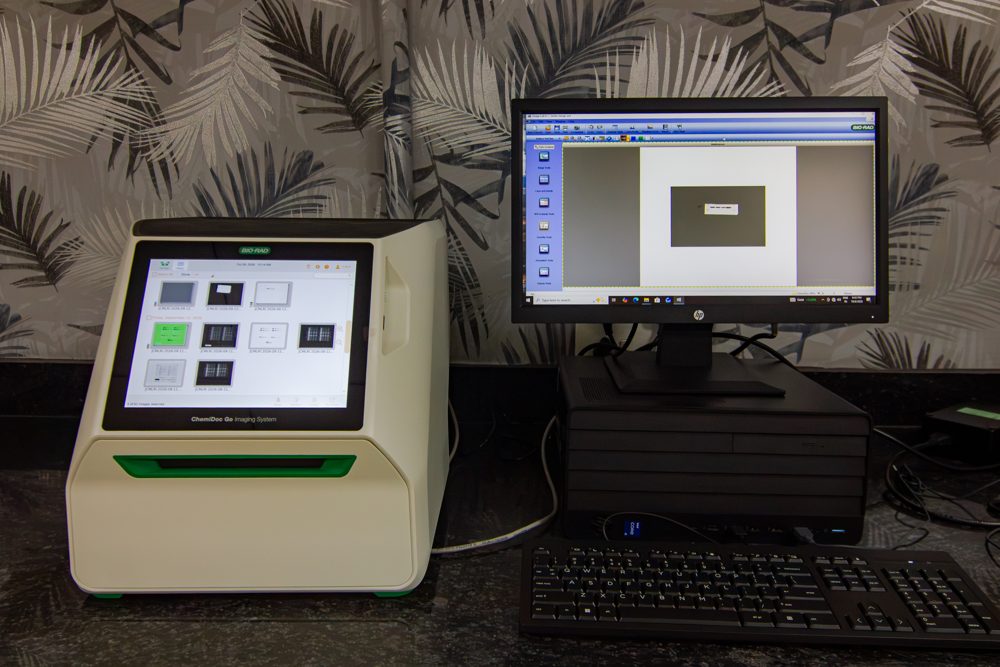
The Bio-Rad ChemiDoc Go is a compact digital imaging system equipped with a 20.48-megapixel CMOS detector, supporting chemiluminescent, fluorescent, and colorimetric detection. Its key advantages include high-sensitivity imaging, automated exposure, high-resolution image acquisition, and quantitative analysis using Image Lab software.
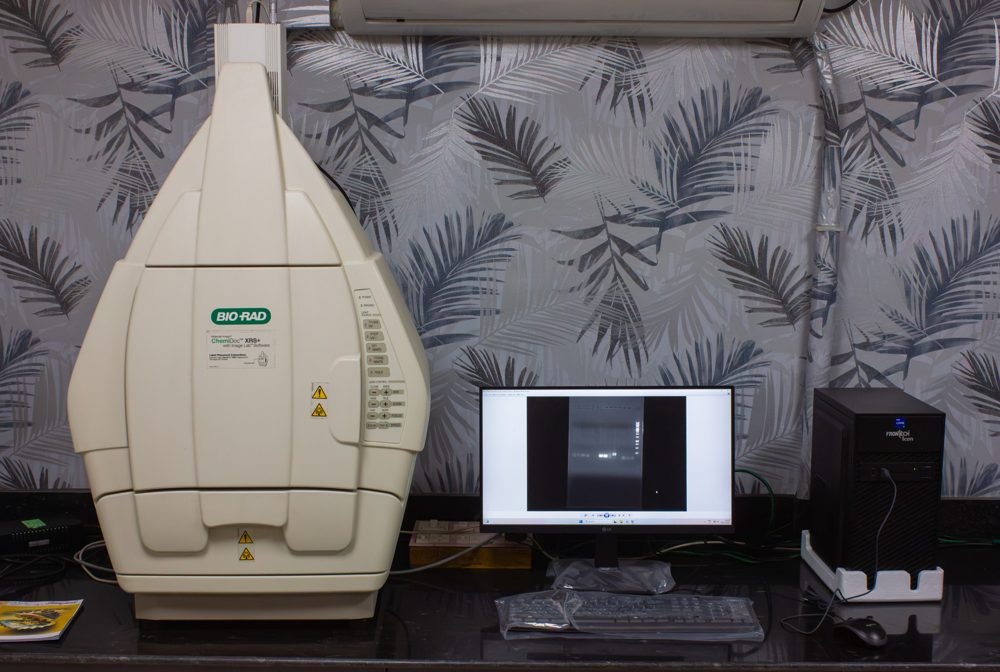
The Bio-Rad ChemiDoc XRS+ Imaging System is a high-sensitivity gel and blot imaging system equipped with a supercooled CCD detector. Its key advantages include sensitive detection of weak chemiluminescent signals, automated image capture, reproducible imaging, and quantitative analysis using Image Lab software.
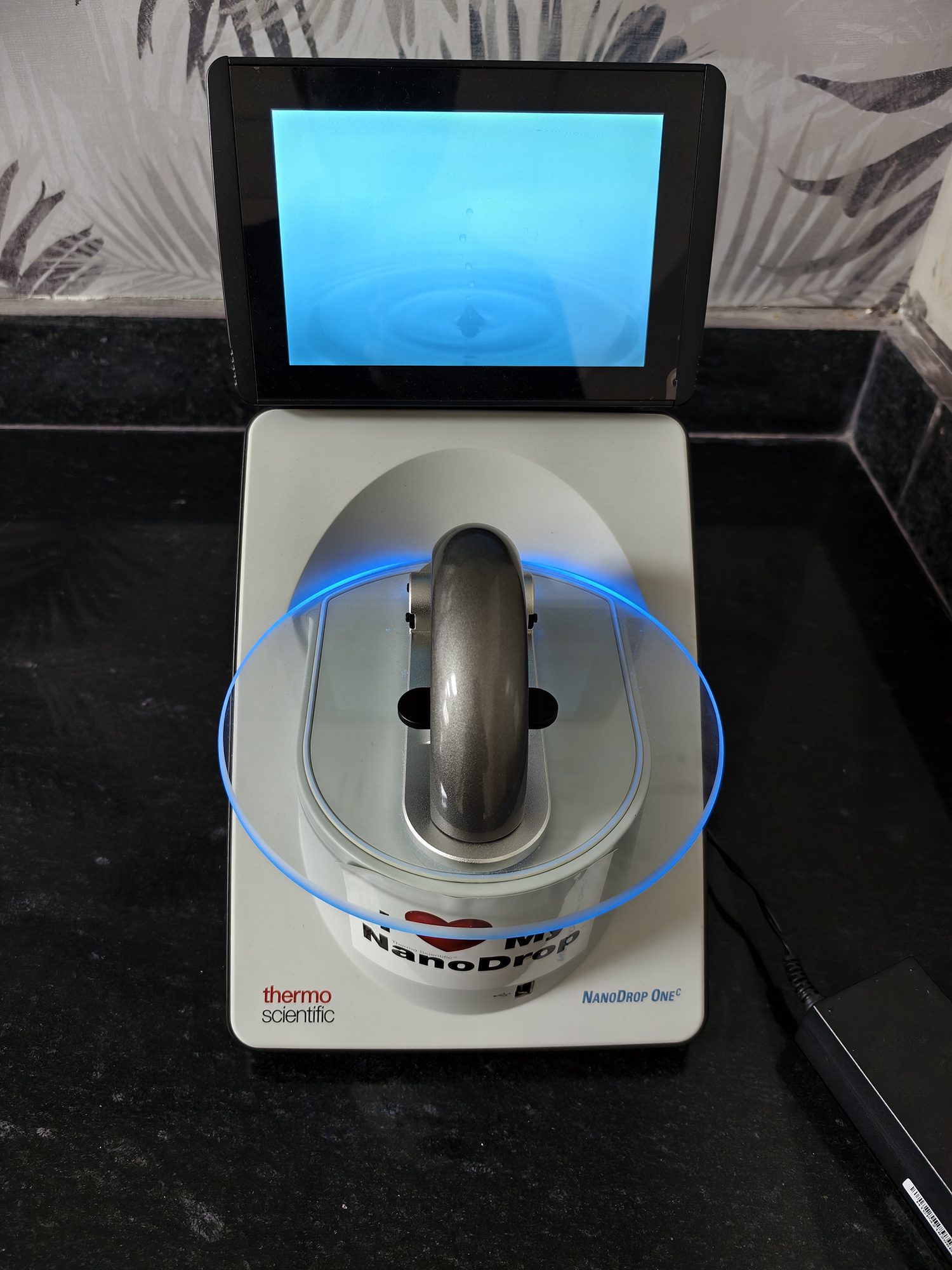
The Thermo Scientific NanoDrop One Spectrophotometer is a microvolume UV-Vis spectrophotometer designed for rapid quantification and purity assessment of nucleic acids and proteins. Its key advantages include requiring only 1-2 µL of sample, eliminating the need for cuvettes for routine microvolume measurements, and providing rapid analysis with built-in sample quality control.
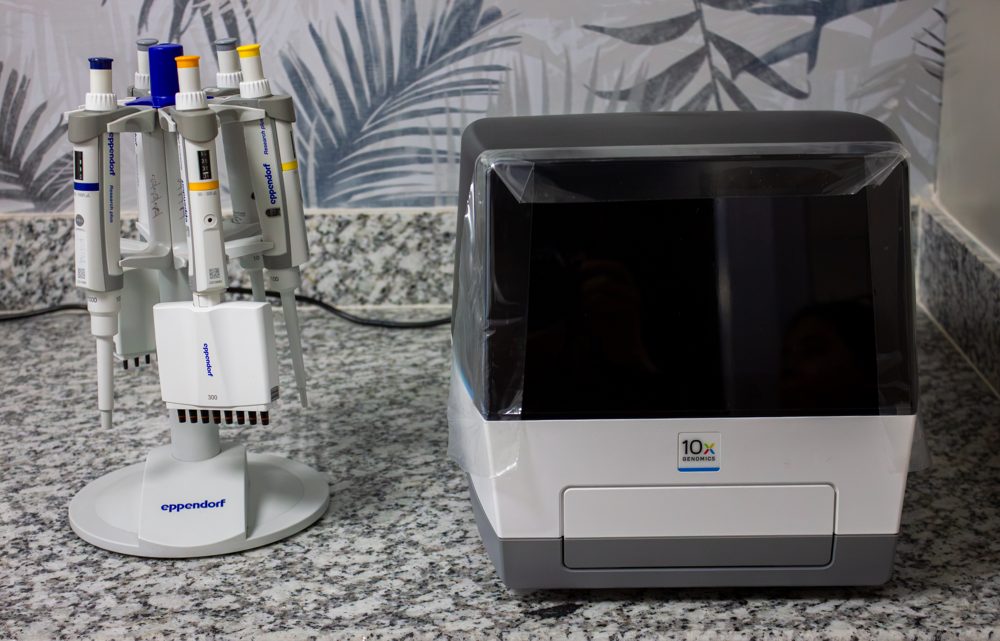
The Chromium iX by 10x Genomics is a cost-effective, benchtop microfluidic instrument designed for single-cell partitioning and barcoding. Uses proprietary Next GEM and GEM-X technology to encapsulate individual cells or nuclei into nanoliter-scale Gel Bead-in-Emulsions (GEMs). Each GEM contains a uniquely barcoded gel bead that tags nucleic acids (RNA or DNA) with a cell-specific barcode and Unique Molecular Identifier (UMI). Dissociate tissue into a single-cell or nuclear suspension (compatible with fresh, frozen, fixed, or FFPE samples).
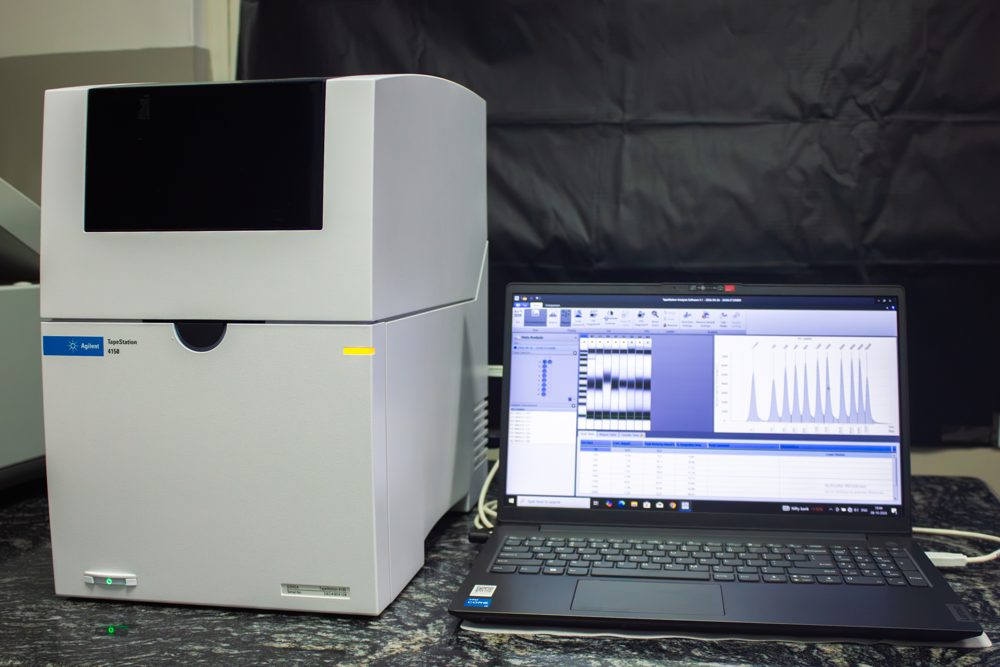
It is a low-throughput automated electrophoresis platform designed for nucleic acid quality control (QC) using ScreenTape technology. Uses disposable ScreenTape devices (with 16 individual lanes) to eliminate cross-contamination and carryover. Supports DNA and RNA assays (such as D5000 ScreenTape for 100 to 5,000 bp fragments) and evaluates key integrity metrics including RINe (RNA Integrity Number equivalent), DIN (DNA Integrity Number), and %cfDNA.
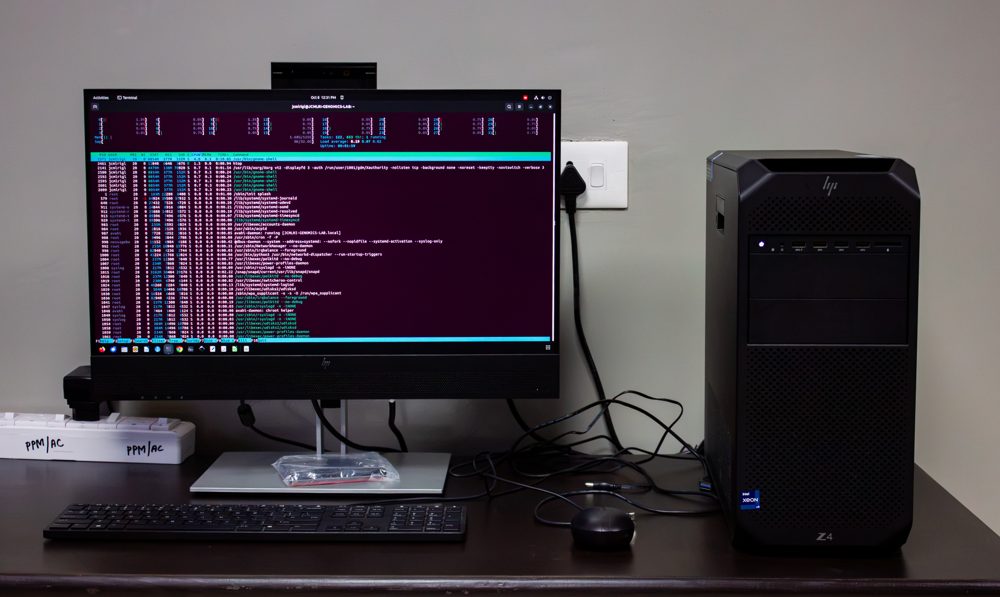
A technical workstation utilizes multi-threaded Intel Xeon or high-end Core architectures to handle intense compute threads with high clock speeds and massive PCIe lane counts. It pairs this processing power with ECC RAM that utilizes an extra memory chip to calculate parity, actively preventing single-bit errors that cause data corruption and system crashes during days-long compute cycles. For visualization and compute-heavy tasks, it deploys enterprise-grade graphics cards (like Nvidia RTX Professional or AMD Radeon Pro) equipped with specialized, ISV-certified drivers that ensure flawless stability and precision in CAD, AI modeling, and architectural software.
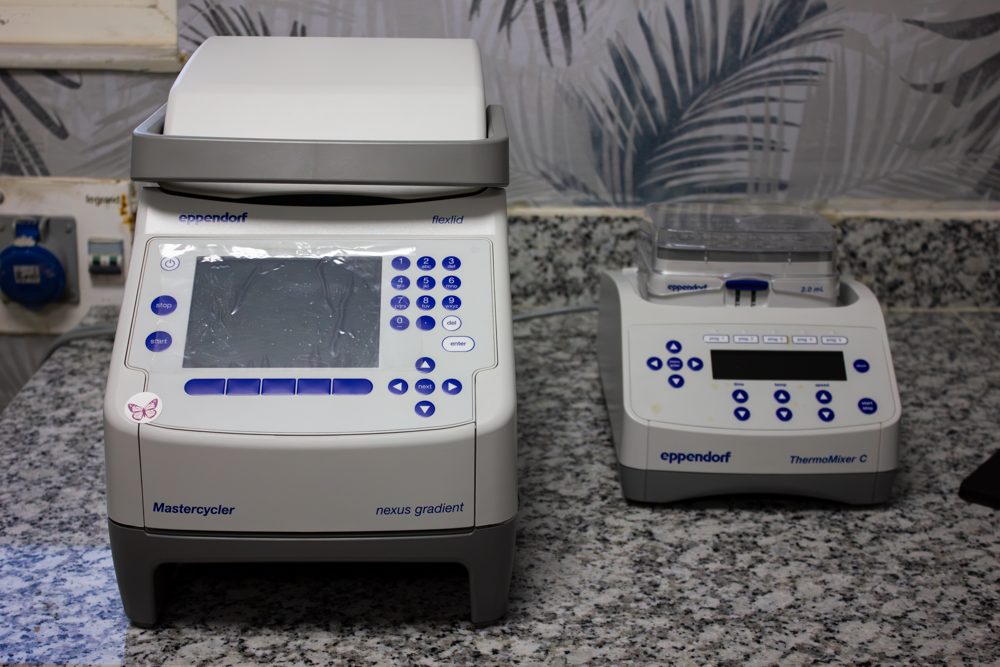
Eppendorf ThermoMixer is an all-in-one benchtop device capable of simultaneous mixing, heating, and cooling for PCR plates, microplates, and tubes (100 µL to 50 mL). It reaches up to 3,000 rpm with 2D Mix-Control technology and supports tool-free QuickRelease block changes. A PCR machine having a thermal cycler featuring a 7-inch touch interface, 12-column temperature gradient for quick optimization, and a self-adjusting flexilid. Compatible for DNA/RNA amplification.
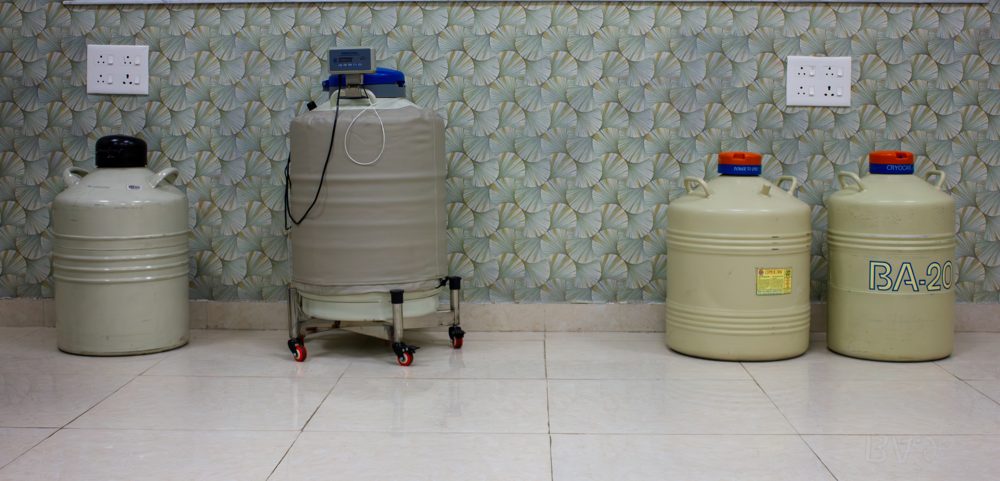
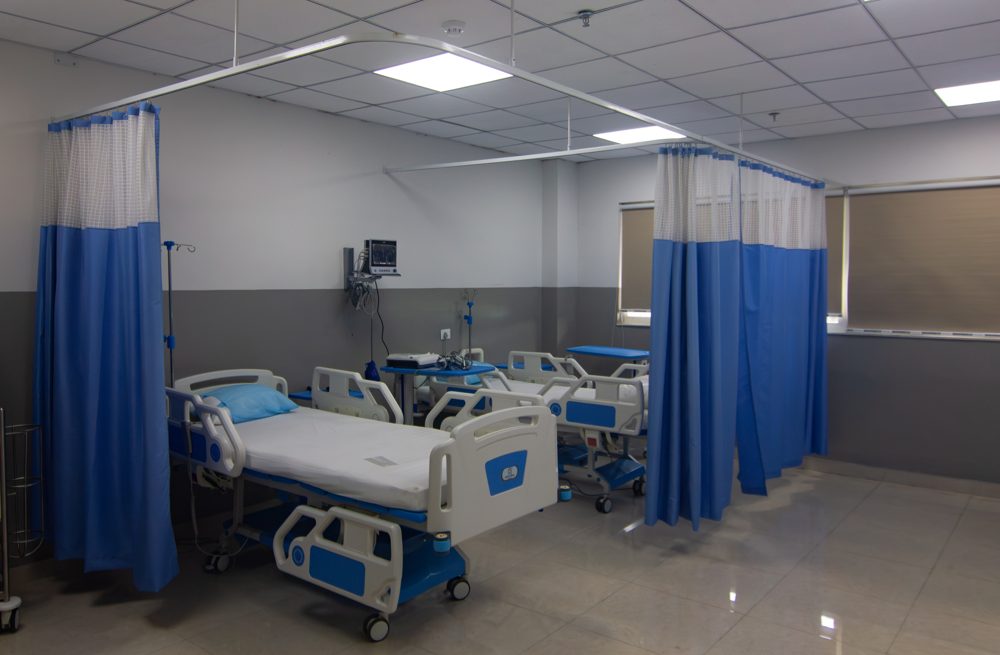
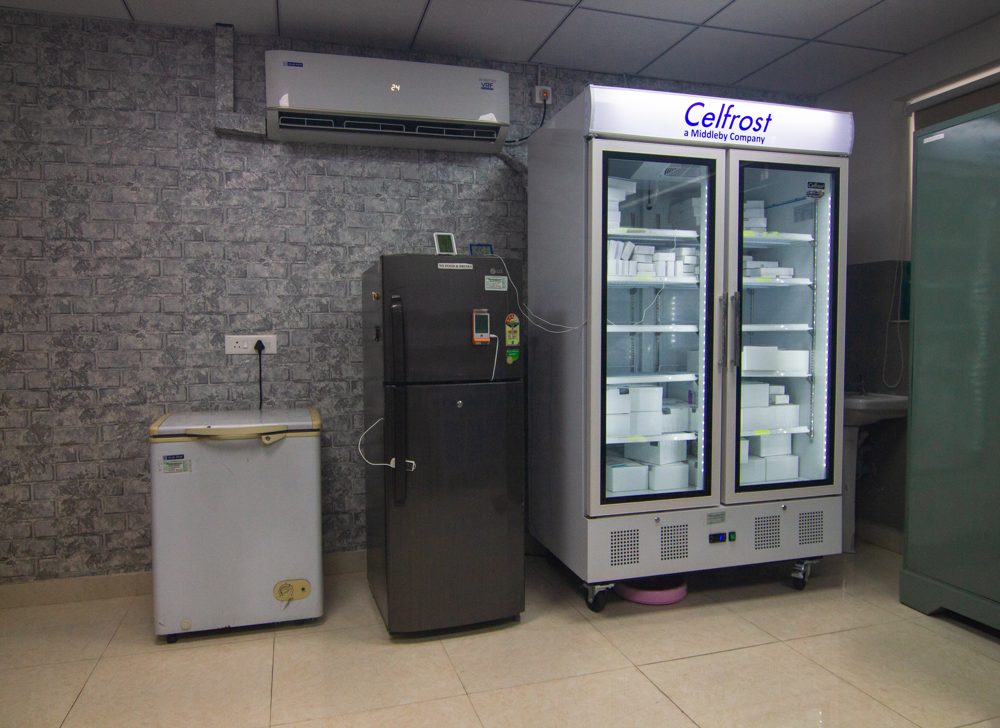
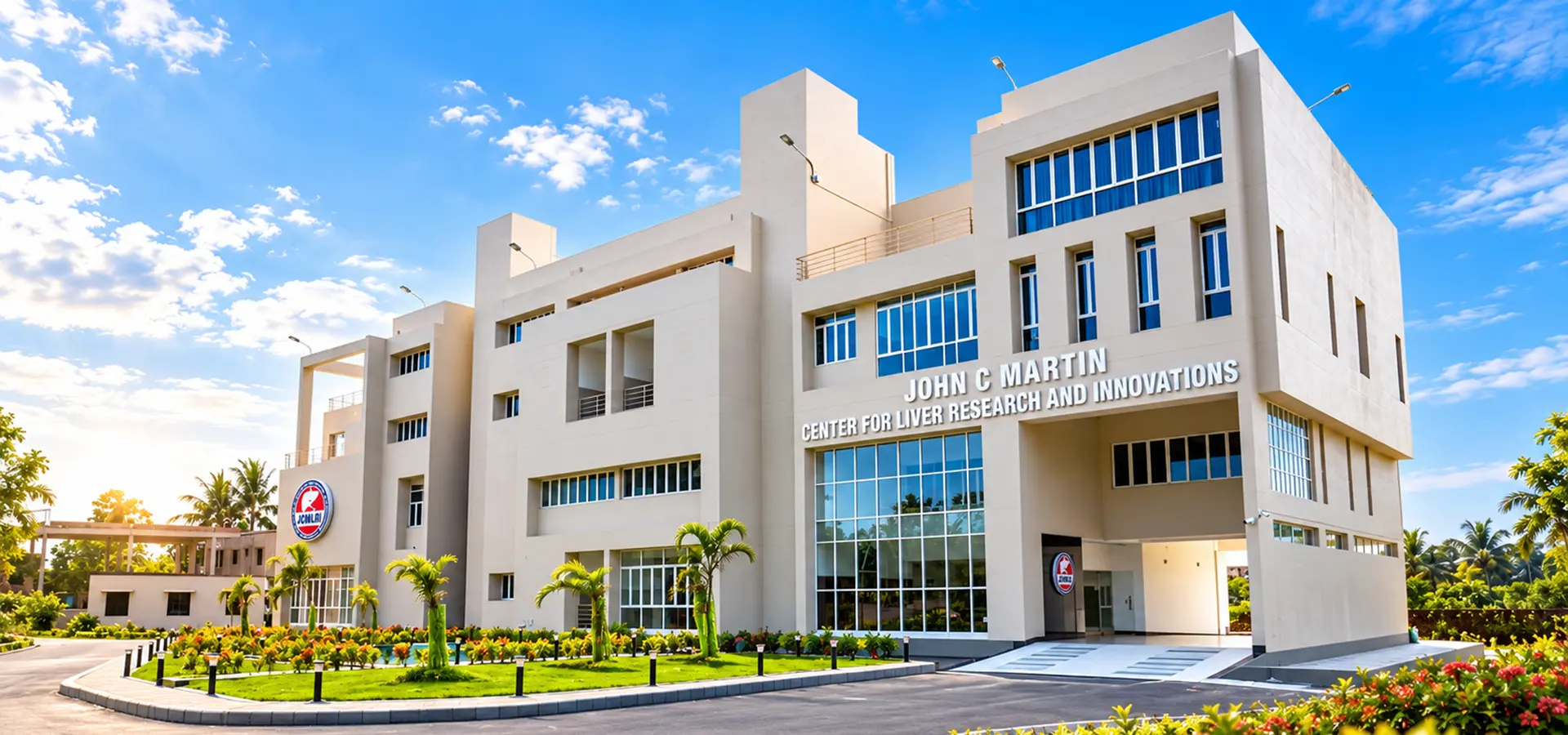
The Gastrointestinal and Hepato-Pancreato-Biliary (GI-HPB) Biobank at the John C. Martin Center for Liver Research & Innovations (JCMLRI), IILDS Hospital, Kolkata, aims to establish Eastern India’s first dedicated GI-HPB biobanking facility, advancing basic, clinical, and translational research. The facility focuses on the systematic collection, processing, preservation, and quality-assured management of human biospecimens in accordance with applicable ethical and regulatory requirements. This biobank is supported by its dedicated Laboratory Information Management System (LIMS). It enables digital sample tracking, data integrity, and traceability, creating a sustainable resource for biomarker discovery, disease research, and precision medicine.
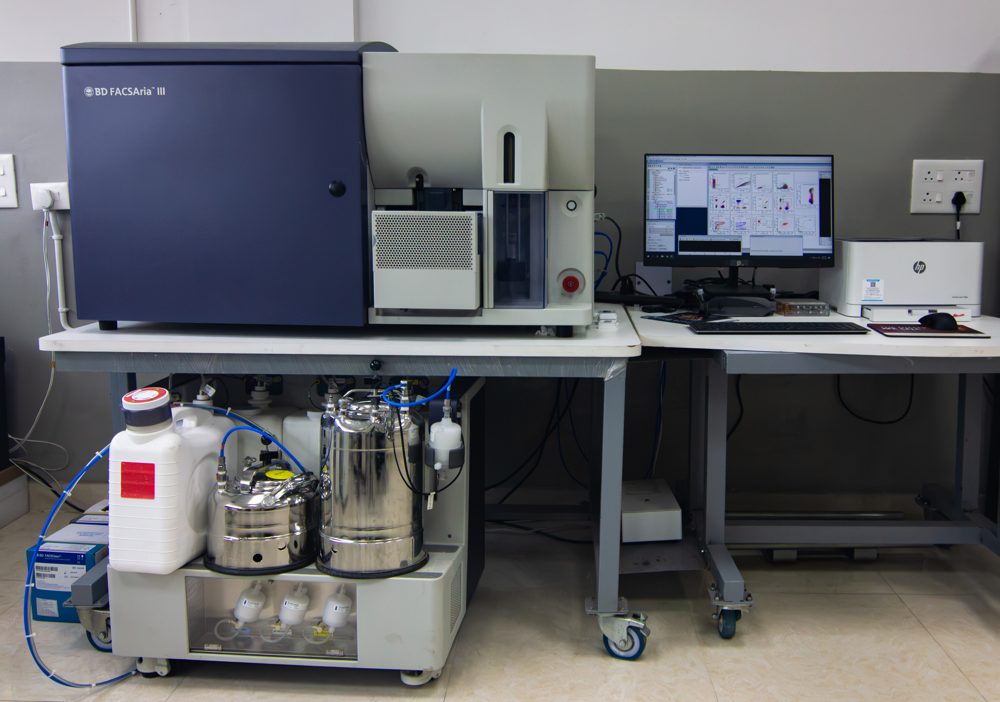
The BD FACSAria™ III Cell Sorter is an advanced fluorescence-activated cell sorting system used for multiparametric cell analysis and physical separation of specific cell populations. It features three lasers (355 nm, 488 nm, and 633 nm) with 14-colour detection capability and three interchangeable sorting nozzles (70 µm, 85 µm, and 100 µm). Its key advantages include high-purity cell sorting, simultaneous detection of multiple fluorescent markers, and flexible sorting options.
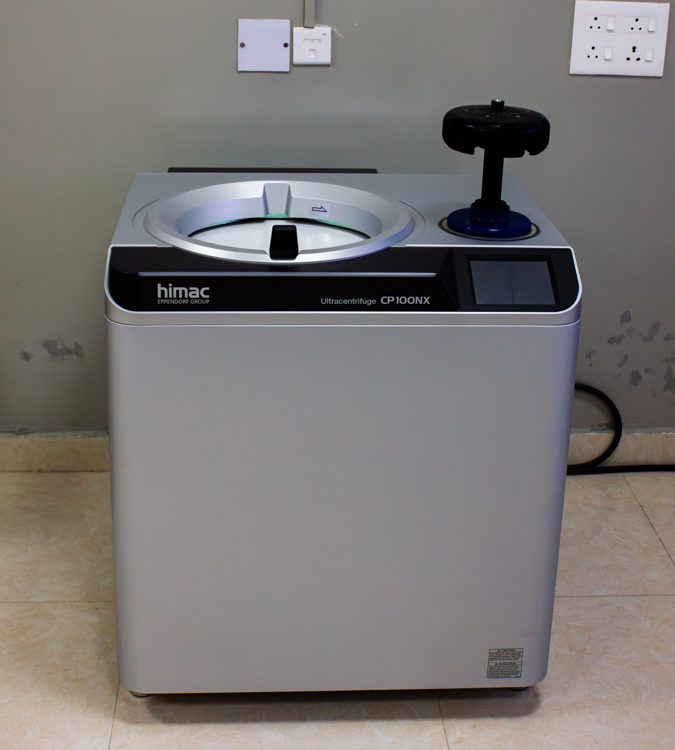
The Himac Ultracentrifuge CP100NX is a high-speed ultracentrifugation system designed for the separation and purification of subcellular components and nanoscale biological particles. It is equipped with one swing-bucket rotor (P40ST) and two fixed-angle rotors (P50A3 and P90AT), providing flexibility for different sample separation requirements.
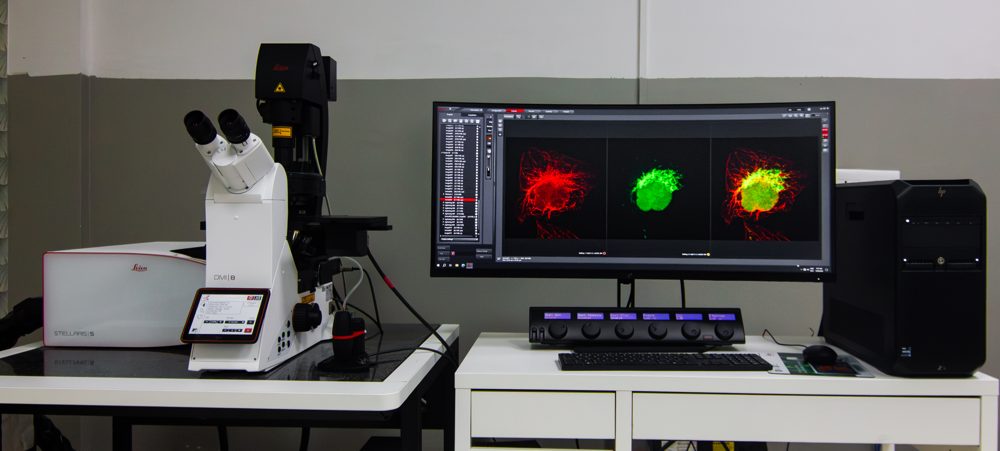
The Leica STELLARIS 5 is an advanced, automated confocal laser scanning microscope engineered for high sensitivity, multi-channel fluorescence imaging in fixed specimens as well as live cell environments. Combining Power HyD S detectors, the platform supports simultaneous acquisition across 4 fluorescence channels and features TauSense modalities. Integrated LASX Lightning module provides automated, on-the-fly adaptive deconvolution down to super-resolution ranges.
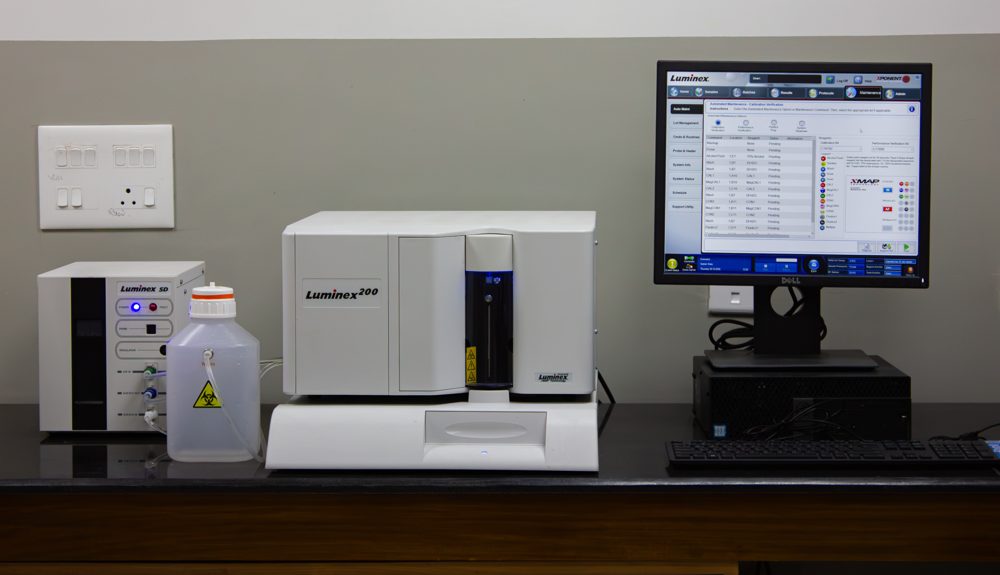
The Luminex 200™ System is a multiplex bead-based detection platform used for the simultaneous measurement of multiple analytes in biological samples. It uses xMAP® technology based on fluorescently coded microspheres and laser-based detection.
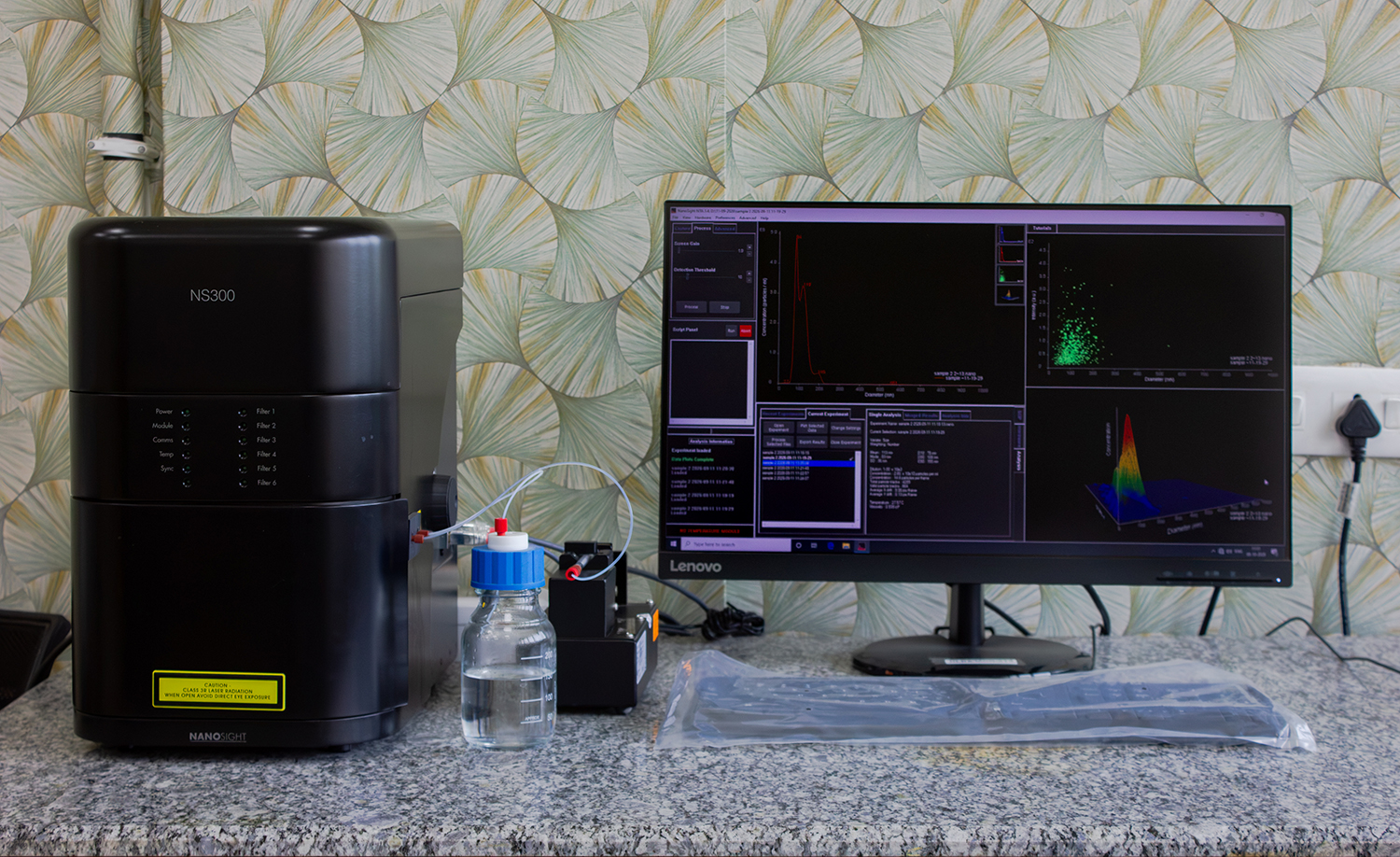
The NanoSight NS300 Nanoparticle Tracking Analysis (NTA) System is an advanced instrument used to characterize nanoparticles by tracking their Brownian motion in a liquid suspension. Its key advantages include real-time particle visualization, particle size distribution analysis, and concentration measurement. It uses laser illumination and a digital camera to track individual particles, typically within a size range of approximately 10–1000 nm, depending on particle properties and sample conditions.
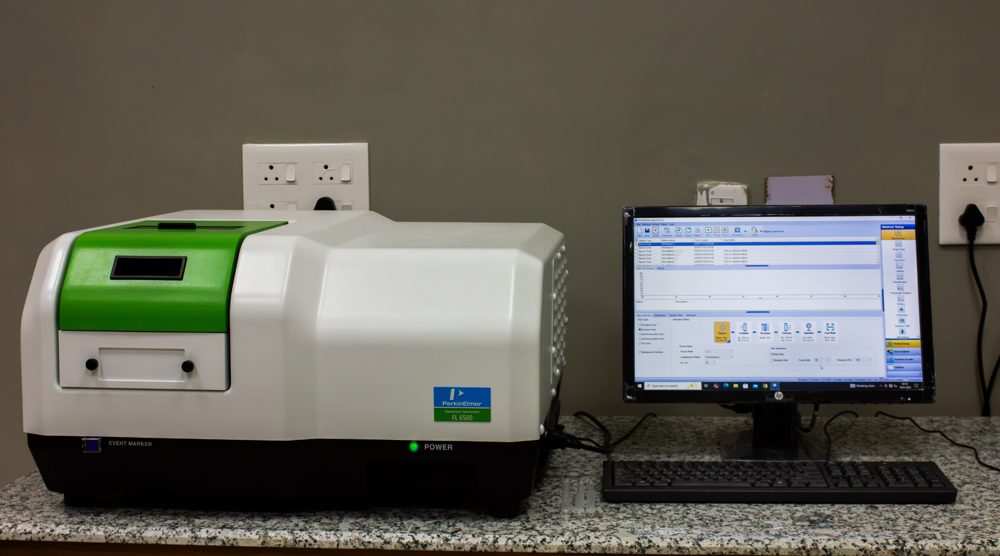
The PerkinElmer 6500 is a laboratory detection instrument equipped with a cuvette-based measurement system for analyzing biological and chemical samples. Its key advantages include sensitive optical detection, reliable measurements, and suitability for quantitative analysis.
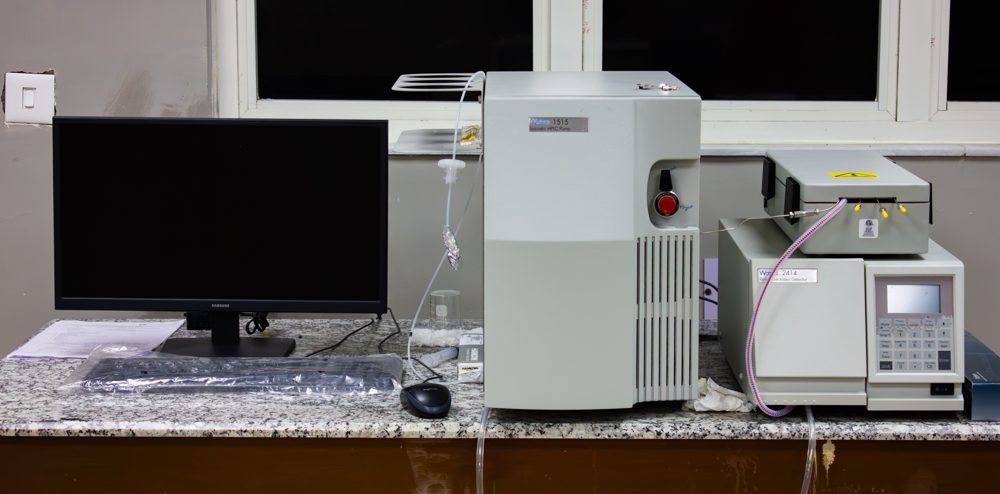
The Waters HPLC System is an analytical instrument equipped with a carbohydrate column and a refractive index (RI) detector for the separation and quantification of carbohydrates and sugars. Its key advantages include reliable separation, reproducible measurements, and detection of compounds that lack strong UV absorbance.
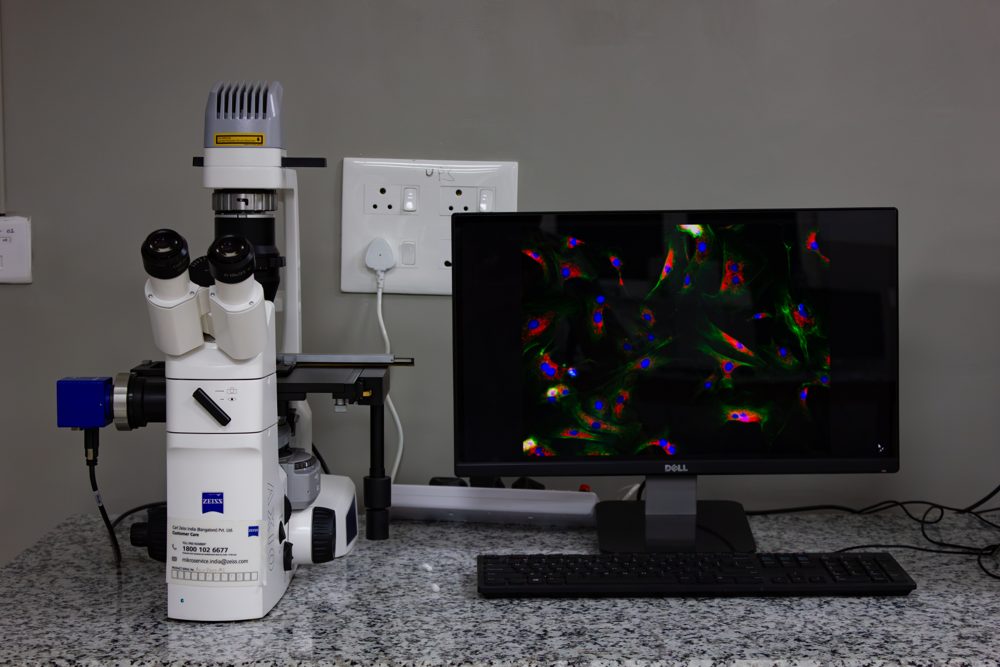
The ZEISS Axio Vert.A1 Inverted Fluorescence Microscope is an optical microscopy system designed for observing cells and biological samples in culture vessels. It supports multiple contrast techniques, including brightfield, phase contrast, and fluorescence. Its key advantages include high-quality image resolution, reliable optical performance, and convenient observation of living cells under standard culture conditions.
Try another instrument name or choose another category.
Contact the administration office with the facility category and instrument name.