 Tender
 Vacancy

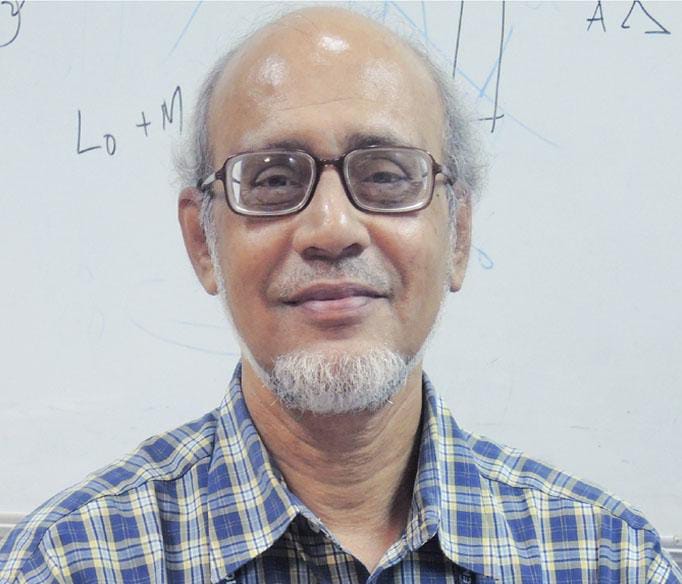
Distinguished Professor, John C. Martin Centre for Liver Research & Innovations
Emeritus Professor, Indian Statistical Institute, Kolkata
Adjunct Faculty Member, Indraprastha Institute of Information Technology Delhi
Council Member, Human Genome Organisation
Member of Technical Advisory Groups on 'Genomics' and 'AI & Health', World Health Organization
Formerly (7/2020-6/2025) National Science Chair, Government of India
Founder, National Institute of Biomedical Genomics, INDIA
Department: Genomics, Biomedical - Liver Diseases - Laboratory
Dr. Partha P. Majumder is a distinguished geneticist, National Science Chair, and Emeritus Professor at the Indian Statistical Institute. As the founder of the National Institute of Biomedical Genomics (NIBMG), he pioneered population genetics in India, significantly advancing our understanding of human evolution and the genetic basis of complex diseases. Prof. Partha Majumder’s scientific interests and contributions have been on human-, statistical- and population genetics and genomics.His current interests are in understanding the genetics and epidemiology of non-communicable diseases, with special focus on liver diseases.
1. Population Genetics and Human Evolution A cornerstone of his career has been using statistical models to map the genetic diversity of Indian populations. His work explores how various ethnic and linguistic groups in India evolved and how their unique genetic architectures influence susceptibility to specific diseases.
2. Genetics of Non-Communicable Diseases (NCDs) His current research delves into the complex genetic and environmental interplay behind NCDs. This includes identifying specific genetic markers that predispose individuals to chronic conditions, moving beyond single-gene disorders to understand polygenic risk factors in the Indian context.
3. Genomics and Epidemiology of Liver Diseases With a specialized focus on liver health, his research aims to uncover the molecular mechanisms of diseases such as Non-Alcoholic Fatty Liver Disease (NAFLD) and Hepatocellular Carcinoma. This involves integrating genomic data with epidemiological trends to improve early diagnosis and personalized treatment strategies.

Abhijit Chowdhury, a clinician scientist and a public health expert. He has over three decades of research experience and has more than 130 publications in peer-reviewed international journals. He leads the Liver Foundation, West Bengal (an NGO organization) as an architect and a frontline manager. He has been involved in shaping the conception, structure, and flowering of the Indian Institute of Liver and Digestive Sciences (IILDS), which is a one-of-a-kind specialized hospital for liver and gastrointestinal diseases in Eastern India. He has also developed the John C. Martin Centre for Liver Research and Innovations (JCMLRI)—a basic and translational research institution alongside the hospital. Health care access, particularly the best of care facilities, to people in the fringes of the society has been his prime focus of work. IILDS was established for the treatment of liver disease in a rural area to cater to the needs of patients with financial handicap. In 2018, Prof. Chowdhury started the foundation of JCMLRI with a generous donation from John C. Martin, who was a great philanthropist and believed that healthcare should be accessible to all.
He is the project director of the Birbhum Population Project (including a cohort of nearly 30,000 rural individuals), where he leads a health and demographic surveillance program in West Bengal. His leadership in devising rural healthcare models has garnered appreciation among global public health researchers (www.shds.in). Another noteworthy contribution of Prof. Chowdhury is the identification and profiling of rural healthcare providers among villages of India; The findings of a study led by him showed that people in the informal sector with prior multitopic training can be effective in providing quality public health care; the results and recommendations published in Science (DOI: 10.1126/ science.aaf7384) are now being implemented on priority.
Abhijit Chowdhury is a fellow of Indian National Science Academy (INSA) as well as National Academy of Sciences in India (NASI). In the area of Liver disease, Dr. Chowdhury’s most impactful contribution is the identification of Lean non-alcoholic fatty liver disease (NAFLD) as a clinical phenotype. Lean NAFLD is prevalent not only in India, but in most global regions. Dr. Chowdhury’s studies, affirms “Although strongly associated with obesity, NAFLD also occurs in individuals with normal weight, especially in Asian populations.” Since then , Dr. Chowdhury’s epidemiological and clinical characterization of Lean NAFLD has changed the modalities of clinical management of NAFLD.
Key research areas integrate large-scale clinical epidemiology and rural healthcare delivery models with advanced molecular studies, specifically targeting the molecular drivers of NAFLD/MASLD, Hepatitis B and C, and drug-induced hepatotoxicity in the Indian population.
Prof. Abhijit Chowdhury’s ongoing research focuses on bridging the gap between advanced molecular science and community health, primarily through the leadership of JCMLRI and the Liver Foundation, West Bengal. Central to his research is the clinical and epidemiological characterization of ""Lean NAFLD,"" a phenotype he pioneered that identifies fatty liver disease in non-obese Asian populations, fundamentally altering global management protocols.
Simultaneously, he directs the Birbhum Population Project, a massive Health and Demographic Surveillance System (HDSS) involving 30,000 individuals to study the longitudinal burden of metabolic and viral diseases in rural India. This public health focus extends to his validated models for training informal healthcare providers, a strategy published in Science that optimizes health delivery for the ""fringes of society."" By integrating high-end genomics at JCMLRI with grassroots care models at IILDS, Prof. Chowdhury’s work creates a unique continuum from the identification of molecular biomarkers to the implementation of equitable, low-cost liver care for financially handicapped populations."

Dr. Amal Kumar Santra is the Director of John C Martin Centre for Liver Research & Innovation.
John C Martin Centre for Liver Research and innovations is envisioned as a research Institute doing basic and translational research in Liver diseases and Medicine. The ever vibrant Spirit and creative visions of the legendary scientist, innovators and humanist John C Martin remain our inspiration. JCMLRI wish to inculcate a culture and practice of answering research questions that have contextual relevance for the developing nations. As our new building is coming up in the IILDS campus at Sonarpur, we are forging collaborations with institutes in India and overseas for exchange and acceleration of ideas, capacities and outcomes. The Memorandum of understanding that Liver Foundation, West Bengal recently has developed with Virginia Commonwealth University, Richmond, USA is an excellent beginning. We plan to undertake training programs in Liver Diseases and allied areas for the scientists of north eastern states. We aim at fostering an ambience of liver research overall. Undertaking clinical research programs as well as implementation research in the broad public health domain is also in our agenda. Despite being focused in Liver disease, we encourage and engage in medical research in broader domain if that transects the institutes priorities.
I do hope that our faculty, with a mix of long experience and early carrier scientists, will be able to mark an imprint that makes JCMLRI a lead research institute in India with global impact. That will be the right way to live up to the dreams of John, the perennial traveler pursuing medical solutions that reaches everybody in the world.

Department of Public Health
Dr. Madhumita Dobe MBBS,
DCH, MD, MCH, is the Chairperson of FAITH ( Foundation for Actions and
Innovations towards Health Promotion). She is the former Dean and Director -
Professor (Public Health) and Former HOD Department of Health Promotion &
Education All India Institute of Hygiene & Public Health, Kolkata (Ministry
of Health & Family Welfare, Government of India).
Education
University of New South Wales,
Australia
Master in Community Health (MCH)
1991-1992
All India Institute of Hygiene
and Public Health, Kolkata, India
MD Preventive and Social Medicine
1984 -1986

Department:
Cell
Biology & Immunology
Professional Biography:
Dr. Partha Chakrabarti is a physician-scientist and metabolic disease researcher with expertise in the molecular pathogenesis of diabetes, obesity, metabolic syndrome and steatotic liver disease (MASLD). He obtained his MBBS from Calcutta Medical College, MD in Biochemistry from Banaras Hindu University, and PhD in Cell and Molecular Biology from Boston University School of Medicine, USA. His research focuses on understanding how dysregulated metabolism, lipid homeostasis, nutrient sensing and cellular stress contribute to metabolic diseases and their complications. His laboratory integrates human patient cohorts, animal models and cellular systems to investigate disease mechanisms and identify clinically relevant biomarkers and therapeutic targets. Dr. Chakrabarti has authored more than 65 peer-reviewed publications and has contributed to seven patents related to metabolic and therapeutic innovations. His multidisciplinary research bridges molecular biology, metabolism, hepatology and translational medicine, with the broader goal of developing improved biomarkers and mechanism-based therapies for metabolic diseases.
Work Details/Expertise: Metabolic Syndrome, Diabetes, Obesity, Metabolic dysfunction-associated steatotic liver disease (MASLD)
Ongoing Research:
Experimental medicine - Clinical studies, population cohort, pathophysiology of metabolic diseases
Preclinical study - Mouse models, targeted gene delivery and knockdown, disease phenotype
Basic science - Discovery of novel pathways and gene regulation in metabolic diseases
Links and Publications:
Publications: Google Scholar https://scholar.google.co.in/citations?user=89GWxJEAAAAJ&hl=en
LinkedIn: https://www.linkedin.com/in/partha-chakrabarti-924369155/
Research gate: https://www.researchgate.net/profile/Partha-Chakrabarti?ev=hdr_xprf
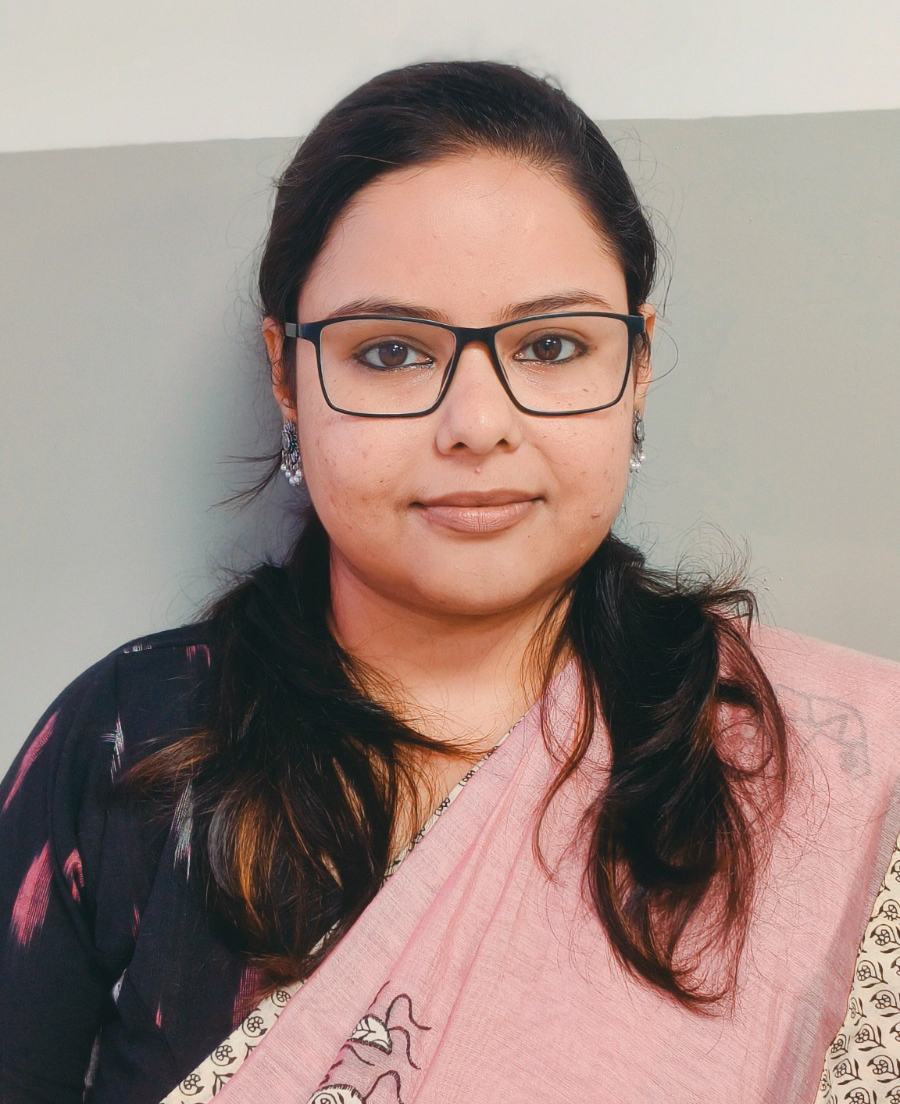
Genomics, Biomedical - Liver Diseases - Laboratory
ankitachatterjee@jcmlri.edu.in
Trained in human genomics, I am intrigued to study the molecular mechanism of complex diseases using a multiomic approach. A significant area of emphasis in my work centers around computational transcriptomics, epigenomics, and investigating cellular metabolic deregulation in the context of complex diseases. At JCMLRI, I am studying the interplay of immune irregularities and metabolic adjustments in lean NASH patients.Expertise and Research Focus
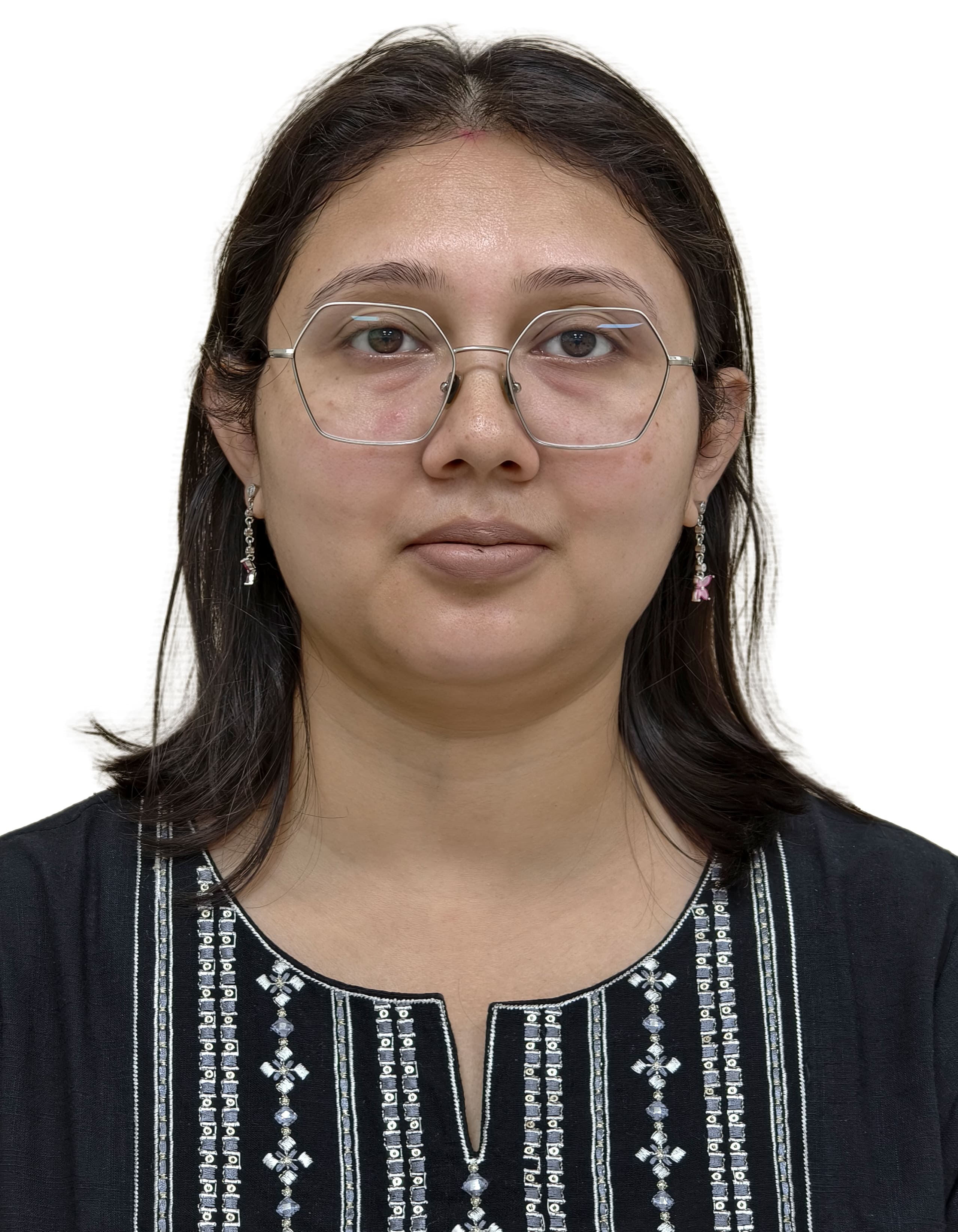
Genomics, Biomedical - Liver Diseases - Laboratory
Dr. Debasree Bishnu is a researcher specializing in the cellular and molecular mechanisms of liver pathophysiology. Her work focuses on understanding the complex signaling networks that drive liver injury, disease progression, and tissue remodeling. She is particularly interested in immunological and inflammatory pathways in hepatic disorders, with an emphasis on how redox imbalance and mitochondrial dysfunction contribute to hepatocyte damage. Dr. Bishnu’s research integrates redox biology, mitochondrial dynamics, and extracellular matrix remodeling to elucidate the mechanisms underlying hepatic fibrosis. She employs advanced experimental cell culture systems and translational models to investigate disease mechanisms and identify potential therapeutic targets. Her work aims to bridge fundamental molecular insights with clinically relevant applications in hepatology. Through interdisciplinary approaches, Dr. Bishnu seeks to advance understanding of chronic liver diseases and contribute to the development of innovative strategies for diagnosis and treatment.
John C.
Martin was a great scientist and philanthropist. He earned a bachelor's
degree in chemical engineering from Purdue University, an MBA in
marketing from Golden Gate University and a PhD in organic chemistry
from the University of Chicago. He served on the board of trustees of
the latter two universities.
Copyright © 2026. All Rights Reserved.